News
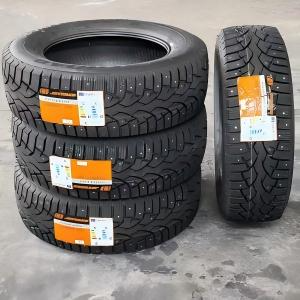
Winter tires are specially engineered to provide dependable traction, shorter braking distances, and improved handling when temperatures fall below 7°C (45°F). Unlike standard summer or all-season tires, they remain flexible in freezing conditions, helping drivers stay safer on snow-covered, icy, and wet winter roads. Whether you travel through heavy snowfall or simply experience long periods of cold weather, choosing the right winter tires can make a noticeable difference in driving confidence.
What Makes Winter Tires Different?
Many drivers believe winter tires are only necessary when roads are covered with snow. In reality, their biggest advantage begins long before snowfall arrives.
Special Rubber Compound
The rubber compound used in winter tires contains more natural rubber and silica than ordinary passenger tires. This allows the tread to stay flexible in low temperatures instead of becoming stiff. A flexible tread creates a larger contact area with the road, improving grip during braking and acceleration.
Aggressive Winter Tread Design
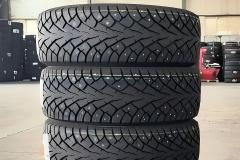
Winter tires feature deeper grooves and wider channels to efficiently remove snow, slush, and water from the contact patch. This reduces hydroplaning and helps maintain stable vehicle control in changing winter conditions.
Thousands of Sipes
The small zigzag cuts across the tread blocks, known as sipes, create additional biting edges. These edges improve traction on packed snow and icy surfaces while increasing braking performance.
How Winter Tires Improve Driving Safety
Winter weather presents several challenges at the same time. Roads may be icy in the morning, wet during the afternoon, and covered with snow in the evening. Winter tires are designed to handle all of these conditions.
Their advantages include:
* Shorter braking distances on snow and ice
* Better acceleration from a complete stop
* Improved cornering stability
* Increased steering response
* Better traction on slush-covered roads
* Reduced risk of slipping during emergency maneuvers
According to studies published by the Tyres Europe, dedicated winter tires consistently outperform all-season tires in severe winter conditions, especially during emergency braking on snow and ice.
Studded vs Studless Winter Tires
Not every winter tire uses metal studs.
Studded winter tires include steel studs embedded into the tread to maximize grip on solid ice. They are popular in regions with long winters and consistently icy roads. However, many countries regulate or restrict their use because they can increase road wear.
Studless winter tires rely on advanced rubber compounds, optimized tread patterns, and high-density sipes instead of metal studs. They deliver excellent performance on snow, slush, wet roads, and light ice while offering quieter operation and better comfort for daily driving.
For many passenger vehicles, studless winter tires provide the best balance between safety, ride quality, and versatility.
When Should You Install Winter Tires?
A common recommendation is to switch to winter tires when average daily temperatures consistently remain below **7°C (45°F)**.
Waiting until the first snowfall often means driving several weeks on tires that are no longer performing at their best.
For maximum stability, always replace all four tires at the same time. Mixing winter and summer tires can reduce handling balance and increase stopping distances.
How to Choose the Right Winter Tires
Selecting the correct winter tires involves more than simply matching the tire size.
Consider the following factors:
* Vehicle type
* Local winter weather
* Snowfall frequency
* Ice conditions
* Load index
* Speed rating
* Noise preference
* Fuel efficiency
* EU tire label ratings (where applicable)
Drivers who frequently travel through mountainous areas may prioritize maximum snow traction, while urban commuters often prefer quieter studless designs.
If you are also comparing seasonal tire options, you may find our guide “All Weather vs All Season vs All Terrain Tires: A Comprehensive Guide” helpful for understanding how different tire categories perform in varying climates.
Another useful resource is “Can All Weather Tires Really Handle All Seasons? Real–World Driving Insights on the B61”, which explains when all-weather tires can serve as an alternative and when dedicated winter tires remain the safer choice.
Why Manufacturing Quality Matters
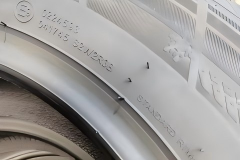
The performance of winter tires depends not only on tread design but also on manufacturing consistency.
Quality manufacturers carefully control rubber mixing, tire uniformity, balance, and stud installation (for studded models). International certifications such as ECE approval and compliance with regional regulations help ensure consistent performance across different markets.
The winter tires shown above feature directional tread designs, dense siping, and factory-installed studs that are engineered to provide dependable traction in demanding winter environments. These characteristics make them suitable for passenger vehicles operating in northern Europe, Russia, Canada, and other cold-climate regions.
Conclusion
Winter tires are much more than seasonal accessories. They are an important safety investment for anyone driving in freezing temperatures. Their specialized rubber compounds, winter tread patterns, and enhanced traction technologies work together to improve braking, handling, and overall vehicle control when road conditions become unpredictable.
Whether you are a distributor, fleet operator, or individual driver, selecting high-quality winter tires can help reduce risks while improving driving confidence throughout the cold season.