News
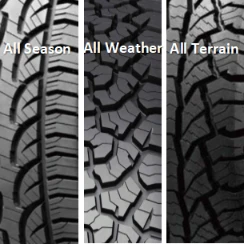
Choosing the right tire can feel confusing because many drivers encounter similar-looking products with very different capabilities. When discussing all weather tires vs all season tires or comparing them with all-terrain options, the key is understanding the purpose behind each category.
The Landpioneer B61 belongs to the growing all weather tire segment, which aims to bridge the gap between everyday comfort and year-round versatility. To understand whether it is the right choice, let’s compare all three tire types side by side.
Understanding the Three Main Tire Categories
What Is an All Season Tire?
All season tires are designed primarily for moderate climates. They provide:
* Comfortable highway driving
* Good tread life
* Reliable dry-road handling
* Acceptable wet-weather performance
However, traditional all season tires are not specifically optimized for severe winter conditions. As temperatures drop, their rubber compounds may become less flexible, reducing traction.
What Is an All Weather Tire?
In contrast, manufacturers developed all weather tires to provide stronger performance across a wider range of temperatures and weather conditions. They typically feature:
* Advanced silica-rich compounds
* Additional siping
* Enhanced wet traction
* Improved cold-weather grip
* Certification for winter capability in many cases
Many all weather products, including the B61, are designed for drivers who want year-round convenience without sacrificing safety during seasonal transitions.
What Is an All Terrain Tire?
All terrain (AT) tires are built for mixed on-road and off-road use. They usually include:
* Larger tread blocks
* Deeper grooves
* Stronger sidewall protection
* Better traction on dirt, gravel, and mud
The trade-off is that AT tires often generate more road noise and may reduce fuel efficiency compared with highway-focused designs.
Side-by-Side Performance Comparison
Wet Grip Performance
For example, wet-weather traction is increasingly important as drivers face unpredictable weather patterns.
Thanks to their advanced siping and water evacuation channels, all weather tires generally outperform traditional all season tires in wet conditions.
By comparison, AT tires can provide reasonable wet traction, but their larger tread blocks are typically optimized for loose terrain rather than maximizing pavement contact.
Snow and Cold Weather Capability
In fact, this is where the biggest differences often appear. Many all weather tires carry the industry’s winter-service designation and are designed to remain flexible in colder temperatures.
Meanwhile, traditional all season tires perform adequately in mild winter climates but may struggle when temperatures fall significantly.
Their performance varies widely among AT tires depending on design and intended use.
Light Off-Road Traction
When driving on gravel roads, dirt trails, or camping routes, AT tires remain the strongest option.
However, modern all weather tires like the B61 provide a useful middle ground by offering better loose-surface traction than most standard all season tires while maintaining everyday comfort.
Comfort and Noise Levels
When it comes to daily commuting and long highway drives, comfort matters. Generally:
- All Season Tires- Quietest
- All Weather Tires- Slightly more aggressive but still comfortable
- All Terrain Tires- Most road noise
For many SUV owners, all weather tires deliver an attractive balance between comfort and capability.

Why the 3PMSF Symbol Matters
What the Certification Means
The Three-Peak Mountain Snowflake (3PMSF) symbol indicates that a tire has met specific winter traction performance requirements.
This symbol has become one of the easiest ways for consumers to identify tires that provide improved winter capability.
Why It Separates All Weather from All Season Tires
As a result, one of the defining characteristics of many all weather tires is the presence of the 3PMSF marking.
While some all season tires focus primarily on mild weather operation, all weather tires are often engineered to maintain traction during colder months as well.
For official information regarding winter tire standards, drivers can refer to the [U.S. Tire Manufacturers Association (USTMA)](https://www.ustires.org?utm_source=chatgpt.com).
Is Aggressive Tread Enough for Off-Road Use?
The Difference Between B61 and Dedicated AT Tires
A more aggressive tread pattern can improve traction on gravel and dirt roads, but tread appearance alone does not transform a tire into a dedicated off-road product. Compared with all weather tires, AT tires usually include:
* Stronger sidewalls
* Deeper void ratios
* Enhanced puncture resistance
* More robust carcass construction
Meanwhile, the B61 incorporates several design features that improve mixed-terrain capability while remaining focused on daily driving comfort.
Choosing Based on Real Driving Habits
Ultimately, the best tire is not necessarily the most aggressive tire. Drivers should consider:
* Climate
* Road conditions
* Mileage
* Comfort expectations
* Seasonal weather changes
Most people spend far more time on pavement than on off-road trails.

Where the B61 Fits Best
Daily Driving Plus Occasional Adventure
The B61 is for drivers whose lifestyles include both everyday commuting and occasional exploration. It is particularly well suited for:
* Crossovers
* SUVs
* Family vehicles
* Multi-season climates
* Weekend outdoor activities
For drivers who frequently encounter wet roads, you can also explore How All Weather Tires Like the B61 Perform in Rainy and Slippery Conditions.
Balanced Performance Without Extreme Trade-Offs
Instead, the B61 focuses on balanced performance across multiple conditions rather than maximizing one characteristic at the expense of others.
This approach reflects how most vehicles are actually used. Its balanced handling is also closely related to its tread design, as explained in How Tread Design Impacts Traction in All Weather Tires.
If your adventures occasionally take you beyond paved roads, you may also be interested in Are All Weather Tires Really Good for Light Off-Road Driving?.
FAQ
Which Tire Category Is Right for You?
The answer depends on where and how you drive.
For example, if your priorities are comfort and mild-weather performance, an all season tire may be sufficient. On the other hand, if you regularly drive off-road, an AT tire remains the better choice. However, if you need year-round versatility across changing weather conditions, an all weather tire deserves serious consideration.
Why All Weather Tires Continue to Grow in Popularity
As drivers increasingly seek convenience without sacrificing safety, all weather tires are becoming one of the fastest-growing categories in the market. Products like the Landpioneer B61 demonstrate why this segment continues to attract attention from SUV and crossover owners around the world.