News
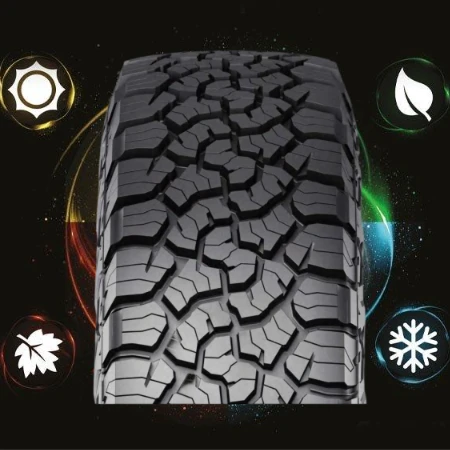
Manufacturers often promote all weather tires as a solution for year-round driving, but many drivers still wonder whether one tire can realistically handle changing seasons. While no tire can be perfect in every extreme situation, modern all weather designs such as the Landpioneer B61 are built to perform well across a wide range of real-world conditions.
The key is understanding what all weather tires are designed to do – and what they are not.
The Myth of the “Perfect Tire”
Why No Tire Fits Every Extreme Situation
Every tire design involves compromises. A dedicated winter tire prioritizes snow and ice traction. A performance tire focuses on dry handling. An all-terrain tire emphasizes off-road capability. Attempting to maximize one characteristic usually reduces performance somewhere else.
What All Weather Tires Are Actually Designed For
All weather tires are engineered to balance multiple performance requirements. They aim to provide:
* Reliable wet grip
* Comfortable highway driving
* Light snow capability
* Good tread life
* Year-round convenience
For many SUV and crossover owners, this balance is exactly what daily driving requires.
Real Driving Stories Across the Seasons
Spring Rainy Commutes
Spring often brings frequent rain and changing temperatures. As a result, drivers need dependable wet-weather traction.
The B61’s water evacuation grooves and flexible compound help maintain traction when roads become wet and slippery. Drivers benefit from predictable braking and steering response during daily commuting.
Summer Weekend Road Trips
During summer, long highway drives place different demands on tires. In addition, drivers often expect a quiet and comfortable ride.
The B61 is designed to deliver stable handling, low road noise, and comfortable cruising performance. This makes it suitable for family vacations and extended road trips.
Autumn Gravel Roads
Many drivers associate autumn with outdoor activities, camping trips, and travel on unpaved roads. The tread blocks and open groove structure of the B61 provide additional traction on gravel and loose surfaces compared with many traditional passenger-car tire designs. Therefore, drivers can feel more confident when traveling on light off-road routes.
Cold Winter Morning Stability
In regions that experience cold weather but not severe snowstorms, all weather tires can provide an effective solution. The B61’s compound remains more flexible at lower temperatures, helping preserve traction during frosty mornings.

When Specialized Tires Still Make Sense
Extreme Snow Regions
Drivers who regularly encounter deep snow, ice-covered roads, and severe winter storms may still benefit from dedicated winter tires.
Heavy Off-Road Conditions
Serious off-road enthusiasts who frequently drive through mud, rocks, and challenging trails should consider dedicated all-terrain or mud-terrain tires.
Performance Driving Applications
Drivers focused on maximum handling performance at high speeds may prefer specialized summer tires. Each tire category serves a specific purpose, and understanding your driving habits is essential.
Cost and Convenience Advantages
Avoiding Seasonal Tire Swaps
One of the biggest advantages of all weather tires is convenience. Instead of changing tires twice a year, drivers can use one set throughout the year. This reduces maintenance appointments and simplifies vehicle ownership.
Saving Storage Space and Service Costs
Many drivers also face storage challenges when maintaining separate winter and summer tire sets. Using a single set of all weather tires can help drivers:
* Reduce tire storage expenses
* Avoid seasonal installation fees
* Lower tire balancing costs
* Save time arranging service appointments
Related Technology Insights
Why Tread Design and Compound Matter Together
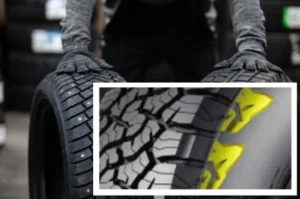
In fact, successful year-round performance depends on more than one technology. Tread patterns help manage traction and water evacuation, while rubber compounds determine how the tire reacts to changing temperatures.
Together, they create the balanced performance that defines modern all weather tires (Rubber Compounds in All Weather Tires).
For additional guidance regarding tire selection and seasonal tire usage, drivers can review educational resources from the Tire and Rubber Association of Canada (https://tracanada.ca?utm_source=chatgpt.com).
Confidence Without Seasonal Compromise
While no tire can replace every specialized solution, the B61 provides an attractive balance of safety, convenience, comfort, and year-round capability. For many SUV and crossover owners, that balance may be exactly what they need from a modern all weather tire.
Conclusion
Most drivers do not face extreme weather every day. Instead, they encounter a mix of rain, dry roads, occasional gravel surfaces, and seasonal temperature changes.