News
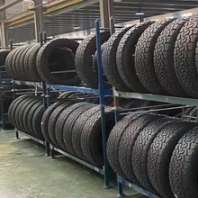
All weather tires vs winter tires is an important comparison for drivers deciding whether they need a dedicated winter tire set. The right choice depends on your local climate, road conditions, and how often you encounter snow and ice.
This guide compares temperature performance, snow traction, ice grip, legal requirements, cost, and convenience to help you make an informed decision. For a broader comparison, see our guide to [all weather tires vs all season tires vs all terrain tires](https://joyroadcartire.com/all-weather-vs-all-season-vs-all-terrain-tires-a-comprehensive-guide/).
Quick Answer: All Weather vs Winter Tires
| Factor | All Weather Tires | Dedicated Winter Tires |
| Cold temperatures | Very good | Excellent |
| Light to moderate snow | Very good, especially with 3PMSF | Excellent |
| Deep snow | Good to very good, depending on design | Excellent |
| Ice | Good, but limited in severe conditions | Best choice |
| Dry/wet roads outside winter | Good balance | Less suitable in warm weather |
| Road noise | Usually moderate | Usually higher |
| Warm-weather wear | Designed for year-round use | Faster if used in warm weather |
| Seasonal changes | No tire swap required | Usually requires seasonal swapping |
| Best for | Mild to moderate winters | Frequent severe snow and ice |
All weather tires offer a practical balance across seasons. Dedicated winter tires focus more specifically on cold-weather traction, especially in demanding snow and ice conditions.
How Temperature Changes Tire Performance
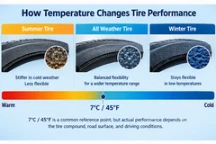
Rubber Compounds and the 7°C Rule
Summer-oriented tire compounds are designed primarily for warm conditions and can become less flexible as temperatures fall. Winter tires use compounds engineered to remain flexible in cold weather, while all weather tires aim to balance cold-weather performance with year-round usability.
The commonly quoted 7°C (45°F) threshold is a useful rule of thumb, not a universal performance boundary. Actual results depend on the tire compound, road surface, and driving conditions.
When rubber loses flexibility, its ability to conform to the road can decrease, affecting braking, acceleration, and steering. For further guidance, consult the NHTSA winter driving safety tips.
All Weather Tires in Snow
Tread Design and 3PMSF Ratings
Snow traction depends on tread blocks, grooves, sipes, and void ratio. Sipes create additional biting edges, while grooves help move snow and slush away from the contact area.
The Three-Peak Mountain Snowflake (3PMSF) symbol identifies tires that meet specified snow-traction performance requirements. It is a useful comparison point when choosing tires for winter driving, but it does not mean every qualifying tire performs equally well in all winter conditions.
Is the Landpioneer B61 Suitable for Snow?
The Landpioneer B61 is positioned as an all weather tire for drivers seeking year-round versatility. Its suitability for winter use depends on the exact product specifications, winter certification, vehicle fitment, and local conditions.
For occasional snowfall and ordinary winter roads, an appropriately rated all weather tire may be a practical option. For frequent deep snow or severe winter weather, dedicated winter tires deserve serious consideration.
All Weather Tires on Ice
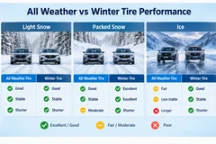
Why Dedicated Winter Tires Have an Advantage
Ice provides very little friction, making braking and steering difficult for all tire types. Dedicated winter tires combine cold-flexible compounds with tread designs developed for demanding winter conditions, giving them an advantage on many icy roads.
All weather tires can handle occasional cold-weather conditions, but they cannot eliminate the risks of black ice or polished surfaces.
If you regularly drive on icy mountain roads or encounter prolonged freezing conditions, dedicated winter tires are generally the better choice. Tire chains may also be required on certain roads; always check vehicle compatibility and local regulations before using them.
Winter Tire Laws and Insurance
Winter tire requirements vary by country, state, province, and road. Some jurisdictions recognize qualifying 3PMSF tires, while others specify particular markings, tread depths, seasonal dates, or approved equipment.
For example, Quebec has seasonal winter tire requirements for many passenger vehicles, while British Columbia has winter tire rules for designated routes.
Check the current rules with your local transportation authority. You should also review your insurance policy rather than assume that every all weather tire is an accepted legal substitute.
Useful references include [Transport Canada’s winter tire information](https://tc.canada.ca/en/corporate-services/transparency/briefing-documents-transport-canada/20191120/winter-tires) and the [British Columbia Motor Vehicle Act Regulations](https://www.bclaws.gov.bc.ca/civix/document/id/loo101/loo101/26_58_04).
Cost Comparison: All Weather vs Winter Tires
Purchase, Installation, and Storage
All weather tires usually require one set for the entire year. Dedicated winter tires involve purchasing a second set, plus possible seasonal installation and storage costs.
Using separate wheels for winter tires can make seasonal changes more convenient, although the initial investment may be higher.
Tire Life and Total Ownership Cost
Winter tires can wear more quickly when used extensively in warm weather because their compounds are optimized for cold conditions. All weather tires avoid seasonal changes, making them attractive to drivers in moderate climates.
However, purchase price alone should not determine your choice. If severe snow and ice are regular driving conditions, the additional cost of winter tires may be justified by their specialized performance.
For a broader overview of tire categories and their intended uses, read our guide to [all weather, all season, and all terrain tires](https://joyroadcartire.com/all-weather-vs-all-season-vs-all-terrain-tires-a-comprehensive-guide/).
Who Should Choose All Weather Tires?
All weather tires are worth considering if you experience:
– Mild to moderate winters: Snow occurs occasionally rather than throughout the season.
– Mostly urban driving: Your normal routes are paved roads and highways that are generally maintained during winter.
– Year-round convenience: You prefer one tire set without seasonal installation or storage.
A suitable all weather tire can provide a practical balance of cold-weather capability and warm-weather usability, provided its specifications match your driving conditions.
Who Should Choose Dedicated Winter Tires?
Dedicated winter tires are generally the stronger choice if you regularly encounter:
– Frequent snow and ice: Roads often remain covered with snow or become icy.
– Mountain routes and long winter journeys: You drive through areas with prolonged freezing temperatures or severe weather.
– Demanding braking conditions: Maximizing winter traction is more important than avoiding seasonal tire changes.
In these environments, the specialized design of winter tires can make the additional investment worthwhile.
Frequently Asked Questions
*Are all weather tires enough for winter?
For many drivers in mild to moderate winter climates, yes. Properly rated all weather tires can handle cold temperatures and occasional snow. Dedicated winter tires are generally preferable for frequent severe snow and ice.
*When do I need winter tires instead of all weather tires?
Consider dedicated winter tires when you regularly encounter deep snow, packed snow, prolonged freezing temperatures, or icy mountain roads. Local regulations may also determine your choice.
*Are all weather tires legal in winter?
It depends on the jurisdiction. Check local requirements for approved tire markings, tread depth, and seasonal restrictions before purchasing.
*Do winter tires wear out faster?
They can wear more quickly when driven extensively in warm weather. Using them primarily during the winter season helps keep their use aligned with their intended conditions.
*Can I use all weather tires all year?
Yes. All weather tires are designed for year-round use, but they cannot match dedicated winter tires in every severe snow or ice condition.
Conclusion
The choice between all weather tires vs winter tires depends on the winter you actually experience.
If you face mild winters, occasional snow, and mostly maintained roads, a suitable all weather tire such as the Landpioneer B61 may offer a convenient year-round solution.
If you regularly drive through severe snow, persistent ice, or prolonged freezing conditions, dedicated winter tires are generally the better option.
Need help choosing the right tire? Contact Joyroad to discuss whether the B61 suits your target climate, road conditions, and driving requirements.