News

All Weather Tires are becoming more popular because many drivers want one tire that can handle daily roads, rainy weather, and even light off-road trips without changing tires every season. For SUV and crossover owners, this raises an important question: can an all weather tire really perform well on gravel roads, dirt trails, and other rough surfaces?
The answer depends on tread design, rubber compound, and driving expectations. While all weather tires are not made for extreme rock crawling or deep mud, some models are designed to give much better traction and stability outside the city than traditional highway tires. The Landpioneer B61 is one example.
What Does “Light Off-Road” Actually Mean?
Gravel Roads and Dirt Trails
Light off-road driving usually includes gravel roads, forest paths, farm roads, camping areas, and dry dirt trails. These roads are uneven and loose, but they are still very different from heavy off-road environments such as deep mud or mountain rock climbing.
For many drivers, light off-road situations happen during weekend travel, outdoor activities, or driving in rural areas. In these conditions, tire grip and stability become very important.
Why Most Drivers Do Not Need Full AT Tires
Traditional All Terrain (AT) tires are designed for serious off-road use. They often have very large tread blocks and aggressive patterns. While they work well off-road, they can also create more road noise, lower fuel efficiency, and reduce comfort during daily driving.
This is where modern all weather tires offer a balanced solution. They provide extra traction without giving up the comfort needed for highway and city driving.
How the B61 Tread Design Supports Off-Road Traction
Large Tread Blocks for Better Grip
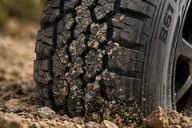
The Landpioneer B61 uses a block-style tread pattern that helps the tire hold loose surfaces more effectively. When driving on gravel or dirt, these blocks create multiple grip edges that improve traction and reduce slipping.
Open Grooves for Self-Cleaning
Another important feature is the open groove design. Loose stones, mud, and dirt can become trapped inside narrow tread channels. The B61 uses wider grooves that help push debris out while the tire rotates. This self-cleaning effect helps the tire maintain stable contact with the road surface.
Strong Shoulder Design
The shoulder area of the tire also plays an important role during light off-road driving. Reinforced shoulder blocks improve stability when turning on uneven surfaces and help protect the tire from small impacts caused by rocks or rough terrain.
Real Driving Performance on Mixed Terrain
Stable Handling on Gravel Roads
One of the biggest problems on gravel roads is steering instability. Tires with weak tread patterns may slide or feel loose. The B61’s deeper grooves and larger tread blocks help improve steering confidence by increasing road contact.
Drivers can feel more control during acceleration and cornering, especially on dry gravel surfaces.
Better Wet Grass and Mud Performance
Light off-road driving is not always dry. Wet grass, shallow mud, and slippery dirt can quickly reduce traction. The B61 combines open grooves with siping technology to improve grip in wet conditions. This allows the tire to maintain better traction compared with traditional all season highway tires.
Comfortable Return to Highway Driving
A major advantage of all weather tires is that they remain comfortable after leaving rough roads. Unlike aggressive AT tires, the B61 is still designed for daily driving comfort, smoother highway handling, and lower noise levels.
This balance is important for drivers who spend most of their time on paved roads but occasionally drive on rough surfaces.

Why Tire Design Matters More Than Marketing
Tread Pattern Is the Real Difference
Many tires claim to offer “all-purpose” performance, but actual capability depends on engineering details. Groove depth, block spacing, and siping design directly affect traction and handling.
The B61 combines several features normally seen in both highway and light off-road tires, creating a more versatile driving experience.
Balancing Off-Road Grip and Highway Comfort
Drivers often forget that off-road capability should not destroy everyday comfort. Tire manufacturers must balance traction with road noise, fuel efficiency, and tread life.
International tire standards such as ISO 20912 help evaluate tire performance related to rolling sound and passenger tire testing methods. Understanding these standards helps buyers compare products more carefully.
For more information about tire testing standards, you can visit the official ISO tire testing standards https://www.iso.org/committee/47670.html
Learn More About All Weather Tire Technology
How Tread Design Impacts Real Driving
The performance of the B61 is not only about aggressive styling. Its tread structure is designed to support grip, water evacuation, and driving confidence across different road conditions.
You can also read: How Tread Design Impacts Traction in All Weather Tires
Looking for a Versatile All Weather Tire?
The Landpioneer B61 is designed for drivers who need confident daily handling with added traction for gravel roads and outdoor travel.
Explore full specifications and available sizes on the product page.
Conclusion
The Landpioneer B61 is not built for extreme off-road driving, but it offers a strong balance between daily comfort and light off-road capability. For drivers who travel between highways, rainy streets, gravel roads, and outdoor areas, this type of all weather tire can provide a more flexible solution.