News
All Weather Tires are designed to handle a bit of everything, but what really decides whether they grip the road confidently or slide like a nervous penguin comes down to one thing: tread design. It’s not just about how a tire looks – it’s about how it works, especially when conditions are less than perfect.
Let’s take a closer look at what’s going on between your tires and the road, and why those grooves and patterns matter more than most people think.
Why Tread Design Is the Core of Tire Performance
The Science Behind Tire-Road Contact
At a basic level, traction happens when rubber meets the road and creates friction. Sounds simple, right? But here’s the catch – roads aren’t perfectly smooth, and neither are tires.
Tread patterns are designed to “interlock” with the road surface, increasing grip. At the same time, they help manage water, dirt, and debris that can break that contact. Without proper tread design, even the best rubber compound won’t save you from slipping.
If you’re curious how this is tested in real life, standards like those from the International Organization for Standardization define methods for measuring wet grip and braking performance.
How Traction Is Generated
Traction is a mix of three things working together:
- **Friction** between rubber and road
- **Mechanical grip** from tread edges
- **Surface adaptation** to changing conditions
Think of tread design as the “translator” between your car and the road. It helps the tire adjust whether you’re driving on dry asphalt, wet streets, or slightly rough terrain.
Key Elements of All Weather Tire Tread Design
Block Pattern and Stability
Tread blocks are the solid pieces of rubber that actually touch the road. Their size, shape, and arrangement all affect how stable the tire feels.
Larger blocks usually mean better stability and durability, especially at higher speeds. Smaller or more segmented blocks improve flexibility and grip, particularly on uneven surfaces.
Siping for Micro-Grip
Sipes are those tiny cuts you see across the tread blocks. They might look small, but they do a big job.
They create extra biting edges, which improve grip on wet or slightly slippery surfaces. When the tire rolls, these sipes open and close, helping the tire “grab” the road more effectively.
Void Ratio and Self-Cleaning Ability
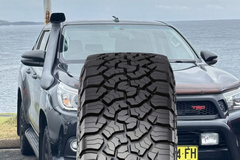
Void ratio refers to the amount of open space in the tread pattern. More space means better ability to push water, mud, or snow away.
Too little void, and water stays trapped – hello hydroplaning. Too much, and you lose contact with the road. So, it’s always a balancing act.
How These Elements Work Together in Real Conditions
Dry Road Handling Performance
On dry roads, stability is king. Tread blocks need to stay firm and consistent to provide predictable handling.
A well-designed tread won’t feel “squishy” or unstable when you corner or brake suddenly.
Wet Surface Grip Enhancement
Wet roads are where tread design really proves its value.
Grooves channel water away from the contact patch, while sipes create extra edges for grip. Without these features, the tire would simply glide over the water instead of gripping the road.
Light Off-Road Capability
Even though all weather tires aren’t full off-road tires, their tread patterns often include features that help on gravel or dirt roads.
Wider grooves and more aggressive block designs allow the tire to maintain traction when the surface gets loose or uneven.
How Modern Designs Improve Driving Confidence
Noise Reduction vs Grip Balance
Here’s something people don’t always think about – tread design also affects noise.
More aggressive patterns can be louder, while smoother designs are quieter. Modern all weather tires try to strike a balance so you don’t feel like you’re driving a tractor on the highway.
Wear Resistance and Longevity
A smart tread design doesn’t just grip well – it also wears evenly.
Irregular wear can reduce performance over time, so engineers design patterns that distribute pressure more evenly across the tire surface.
Learn More About All Weather Tire Performance
Tread design is just one piece of the puzzle, but it connects directly to real-world performance. If you want to see how all these features translate into everyday driving benefits, check out this guide:
What Makes All Weather Tires Like Landpioneer B61 a Smart Choice for Year-Round Driving
Conclusion: Tread Design Is Where Performance Begins
What to Look for in a High-Quality Tire
When choosing a tire, don’t just look at the brand or price. Pay attention to:
- Groove depth and layout
- Presence of siping
- Balance between block size and spacing
These details often tell you more than any marketing slogan.
Why Design Matters More Than Marketing
At the end of the day, a tire either grips or it doesn’t. And that comes down to design.
A well-designed tread pattern quietly does its job every time you drive – keeping you stable, safe, and in control, even when the road isn’t cooperating.
And honestly, that’s exactly what you want from something that connects your car to the ground.